How Do Termites End Up Inside Your Riverside Home?
Termites thrive in warm climates, which makes Riverside an ideal place for them. These pests will work quietly inside your property and feed on wood from the inside out. That is why you may want to understand how termites find their way indoors, so you can protect your home from these destructive pests. Akela Pest Control professionals address potential entry points when handling termites. They know where to find these entrances and close them up with sturdy materials that roaches cannot infiltrate. Termites can usually infiltrate your home due to the following:
Cracks in the Foundation
Tiny cracks in your slab or foundation walls can create ideal routes for termites. Subterranean termites need only the width of a credit card to squeeze through. These gaps allow them to enter from below, where they remain hidden for long periods. Even small openings near utility lines, plumbing, or vents help them slip inside. If your home settles, the cracks created may widen enough to give a colony stable passage.
Mulch and Landscaping Near the Home
Mulch helps gardens look clean and healthy, but it can also work as a bridge for termites. The material holds moisture and warmth, which draws colonies closer to your foundation. Mulch that touches exterior walls can create an ideal shelter tube area for termites to explore and use as a path indoors.
Shrubs, vines, and dense plants that sit right against your home can add moisture and shade. These conditions help ground colonies expand. Many homeowners in Riverside have lush front-yard landscapes, which look appealing but may create hidden shelter spots for pests. A small gap or crack beneath the siding is enough to give termites access once they move through mulch beds.
Wood-to-Wood Contact
Termites move from one wood source to another with ease. Termites can travel from firewood piles into the structure. The same happens with old lumber, tree stumps, or rotting fences. Termites will target the main structure after establishing a colony in nearby wood. Many Riverside neighborhoods have mature trees, which means fallen limbs or dead tree roots can hide active colonies.
Swarmers Look for New Homes During Peak Seasons
Termite swarmers leave their nest during warm periods to start new colonies. Spring and early summer in Riverside offer the perfect conditions for flights. During this time, swarmers gather near windows, outdoor lights, or porch fixtures. They shed their wings soon after finding a suitable site. These tiny wings collect on windowsills, floors, and near door frames. Swarmers enter through torn screens, open windows, or gaps around doors. They target areas with moisture and wood, which means they can start a colony inside walls with little difficulty.
Plumbing Leaks Behind Walls Draw Termites From Within
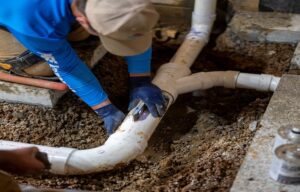
Slow leaks behind walls create soft, damp wood. Termites find these hidden areas fast, especially if the moisture lingers for days or weeks. Bathrooms, kitchens, and laundry rooms often have pipes that run through walls and floors. A small drip becomes an ideal termite attractor, allowing them to feed unnoticed.
These areas are hard to inspect, so termites often remain hidden until damage becomes visible. Bubbling paint, warped drywall, and soft flooring may be the first signs that termites followed moisture inside your home.
Damaged Roofing or Attic Vents Give Termites Upper-Level Access
Flying termites can start nest sites higher up through cracked shingles, damp roof wood, and loose attic vents. Attics stay warm during Riverside’s hot months, which helps swarmers thrive.
Termites that start in attics can move down through walls, affecting ceiling beams and upper-level floors. Many homeowners overlook attic spaces for long periods, which gives termites plenty of time to expand.